Hepatitis B – 6 Essential Questions and Answers
Essential Takeaways
- Hepatitis B virus is transmitted from the blood and body fluid of an infected individual
- Hepatitis B virus causes acute and chronic infection depending the duration of viral particles present in the blood
- Hepatitis B virus can survive outside the body for 7 days
- Hepatitis B can be easily prevented by vaccination
- Inactive hepatitis B carrier is capable of transmitting the virus. Take precautions to protect your own liver as well as your loved ones
Hepatitis B
Hepatitis is an inflammation of the liver. While factors such as alcohol, drugs and certain medical conditions could result in hepatitis, hepatitis virus type B (HBV) is the most common cause of hepatitis. An estimated 257 million people are living with HBV worldwide and 1 million of them are in Malaysia1.
Large number of carriers are unaware they have the disease because majority of chronic Hepatitis B are asymptomatic until complication of cirrhosis or liver cancer arise. About 30-40% of HBV-infected people have evidence of liver-related conditions2. As liver usually does not display any obvious symptoms, it is important to understand how could you be affected by hepatitis B.
1) How do someone get Hepatitis B virus?
Hepatitis B virus (HBV) belongs to Hepadnaviridae family that infect hepatocytes of the host. Similar to any other viruses, HBV requires a host to replicate, making more copies of themselves. HBV is transmitted through the contact of blood or body fluids. HBV is able to survive outside the body for 7 days and still capable of infecting others3! Common modes of HBV transmission include4:
- Mother to child: Mothers most likely transmit HBV to infants during delivery, after contacting infected cervical secretions and maternal blood. This is the most common mode of HBV transmission4.
- Needles: Virus load is highest in the blood5. Sharing needing or needle sticks contaminated with HBV will transmit the virus.
- Close contact with Hepatitis B-infected person: Virus could also be transmitted from Hepatitis B-infected person to unimmunised individuals in close contact eg. sharing razor, toothbrush especially in the presence of open cuts or sores.
- Unprotected sexual contact: In non-endemic countries of Hepatitis B, unprotected sexual contact is the most common mode of transmitting the Hepatitis virus4.
No, you are not going to get Hepatitis B this way
Hepatitis B virus is not spread through food or water, sharing eating utensils, breastfeeding, hugging, kissing, hand holding, coughing, or sneezing.
Who is at risk?
Certain groups of people are at higher risk of getting hepatitis B infection. If you are your loved ones falls under any of these categories, strongly recommend to get the vaccine jab6,7:
- Infants born to HBV-positive mothers
- People who share a household with chronic HBV infection
- People who share needles
- Unprotected sexual contact with HBV-infected person
- People undergoing therapy to suppress immune system
- People born in endemic countries of Asia, the Pacific Islands, Africa and Eastern Europe
- Health care professionals
- Unvaccinated travellers to highly or intermediate endemic countries
2) Types and Phases of Hepatitis B?
HBV consists of different components. Hepatitis B e antigen (HBeAg) is a protein secreted by the HBV. Presence of HBeAg means the virus is actively replicating8. Hepatitis B surface antigen (HBsAg) is expressed on the surface of virus particles. It serves as a biomarker to detect traces of HBV and is used in hepatitis B diagnosis8.
Acute vs Chronic Hepatitis B infection
Hepatitis B infections is classified into acute and chronic infection, depending on infection duration and viral components detected in the serum4,9.
Acute hepatitis B infection occurs when HBV infects a new host. The virus could incubate inside liver cells from 1 to 4 months without any symptoms to adapt to new environment10,11. About 2/3 of acute Hepatitis B infection presented with mild or asymptomatic illness, whereas the other 1/3 developed hepatitis-associated clinical symptoms such as elevated ALT, bilirubin and jaundice12.
About 5-10% of Hepatitis B-infected adults, who are unable to clear the virus 6 months after infection13, would develop chronic Hepatitis B infection.
Phases of chronic Hepatitis B
You might heard of people saying “I’m an inactive HBV carrier, there’s nothing to worry about”. This is not entirely correct. Chronic Hepatitis B is dynamic. It can transit to different clinical phases according to levels of HBV antigens (HBsAg and HBeAg), HBV DNA and serum ALT and/or AST. These phases are:
- Immune tolerant – characterised by high HBV DNA (>1 million IU/mL), presence of HBeAg and normal ALT and/or AST
- Immune active – characterised by high HBV DNA (>20,000 million IU/mL for HBeAg-postive, >2,000 for HBeAg-negative) and high ALT and/or AST
- Inactive – characterised by low HBV DNA (<2,000 IU/mL), absence of HBeAg, presence of anti-HBe and normal ALT and/or AST
During immune active phase, our immune system is activated to destroy HBV-infected liver cells and to control HBV level, thus resulting in spike of serum ALT level. However, longer duration of immune active phase is associated with development of cirrhosis and liver cancer8.
Although prognosis of inactive Hepatitis B is benign, 20-30% of inactive Hepatitis B carrier may undergo spontaneous hepatitis B reactivation14. Yes, that is right. HBV replication could be reactivated even if you are an inactive HBV carrier.
3) How do I know if I have Hepatitis B? What are the symptoms?
If you are infected with Hepatitis B virus, chances are you might not notice it at all. Some may experience symptoms like fever, arthralgias, rash, anorexia, nausea, jaundice, right upper abdominal discomfort and other poor liver health-related symptoms, which are not specific to hepatitis B infection. Therefore it is difficult to tell if you are infected by HBV base on the symptoms. If have doubts, get it tested.
4) How to prevent Hepatitis B?
Hepatitis B vaccination
Everyone is at risk of getting Hepatitis B infection at some point. HBV can be easily prevented by vaccination. WHO recommends all infants to be vaccinated within 24 hours after birth. In Malaysia, Hepatitis B vaccination is included as part of the National Immunisation Program since 198915 and has effectively reduced prevalence and transmission of HBV1. If you unsure of your HBV infection or vaccination status, get tested.
How long it takes before I am immune to Hepatitis B infection?
Hepatitis B vaccine is administered in 3 doses, immunity can be achieve in 6 months. First dose to newborn infant (or any unvaccinated individuals), second dose at least 1 month later and the third dose at least 2 months after 2nd shot. Infants should be at least 6-month old at time receiving the third dose.
When Hepatitis B antibody (HBsAb) titer is greater than 10 mIU/mL, you are considered to have adequate immunity against Hepatitis B infection9. If the antibody titer falls below 10 mIU/mL, booster shot may be recommended, discuss this further with your physician.
How effective and safe is Hepatitis B vaccine?
In general, Hepatitis B vaccine reduces Hepatitis B infection incidence by 90%15. If you are travelling to Hepatitis B endemic countries, where prevalence of HBsAg is greater than 8%16, plan ahead and get your vaccine shot before travelling.
Any side effects from the hepatitis B vaccine? Hepatitis B vaccine is generally safe17. Only about 3-29% vaccine recipient reported pain at injection site and fever in 1-6%18. If you are sensitive to any vaccine components, tell your physician before getting the vaccine.
5) Are you an inactive HBsAg carrier? Know of someone who is?
Inactive carriers consist of the largest proportion in chronic Hepatitis B cases (15). Although Hepatitis B virus is not actively replicating, inactive Hepatitis B carrier is capable of transmitting the virus to others. If you are an inactive Hepatitis B carrier, there are actions you shall take to care for yourself and love ones:
- Screen immediate family and everyone sharing household – ensure they get vaccinated
- Have protected sexual contact
- Actively and passively vaccinated offspring
- Regular follow up every 6 months for ALT and/or AST and liver condition
- Inform medical professionals or anyone who would contact your blood or body fluids
- Maintain good liver health
6) How to care for your liver?
The truth is, once Hepatitis B infection becomes chronic it is difficult to be truly cure4. Although spontaneous loss of HBsAg in chronic Hepatitis B has been report in small amount of people, the risk of progression to liver cancer remains the same19.
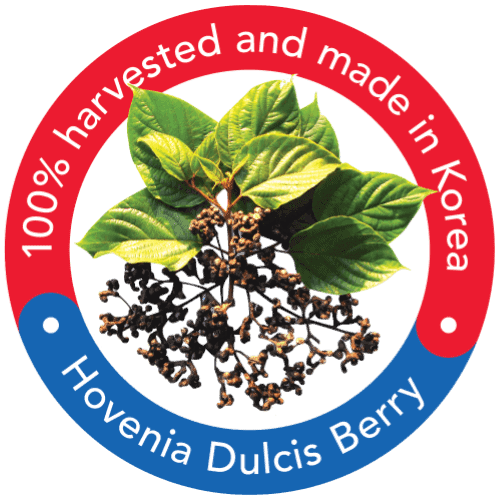
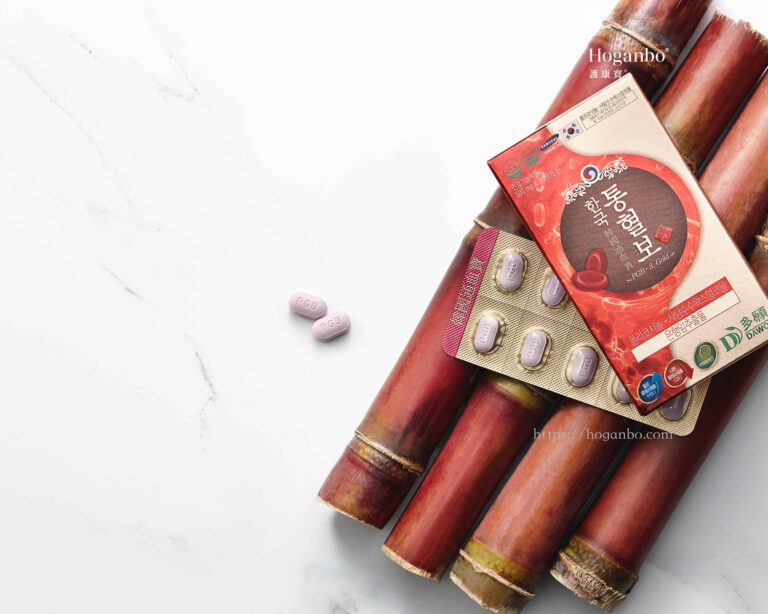
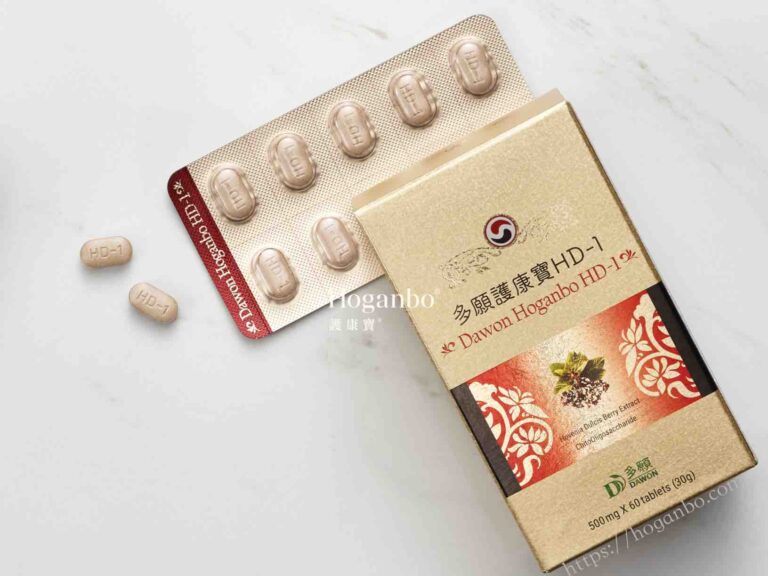
The main complications of Hepatitis B infection is liver related conditions including progression to cirrhosis and liver cancer. Supplements are available in the market to boost liver health. Hovenia dulcis berry originated from South Korea has been acclaimed for its benefits in protecting the liver and maintain good liver health20,21. Hoganbo HD-1 is a natural liver supplement made from at least 80% of pure Hovenia dulcis berry extract. Proven in clinical research to improve liver health20,21, Hoganbo HD-1 is approved by Korean Ministry of Food and Drug Safety and Malaysia National Pharmaceutical Regulatory Agency. Many have shared positive experience in improved liver conditions after consuming.
The best way to live with hepatitis B virus? Take good care of your liver proactively. As experts will tell you, prevention of liver diseases is always easier than treating it. Love what you read so far? Share this with your friends and family and subscribe to Hoganbo newsletter to stay up-to-date.
Call us at +6017-373-7685 to learn more about Hoganbo HD-1. We are on WhatsApp, iMessage and WeChat. Order your Hoganbo HD-1 today.